Fiamma di Re - Celtica n. 11
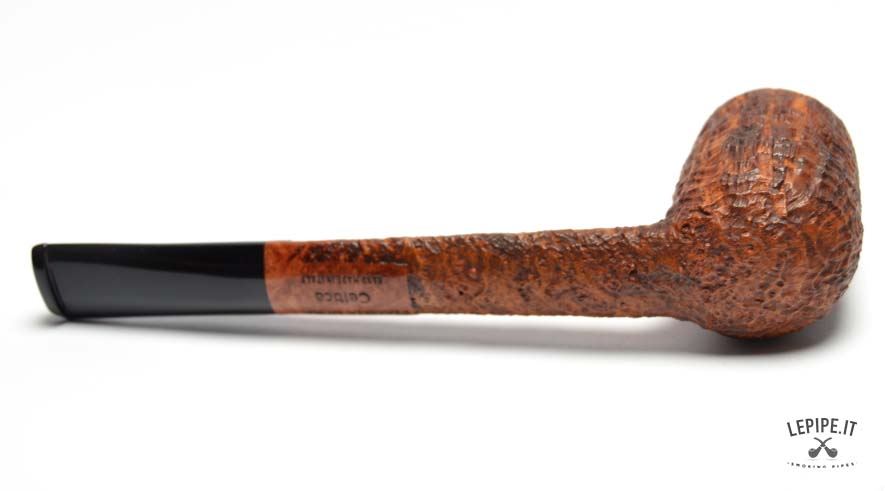
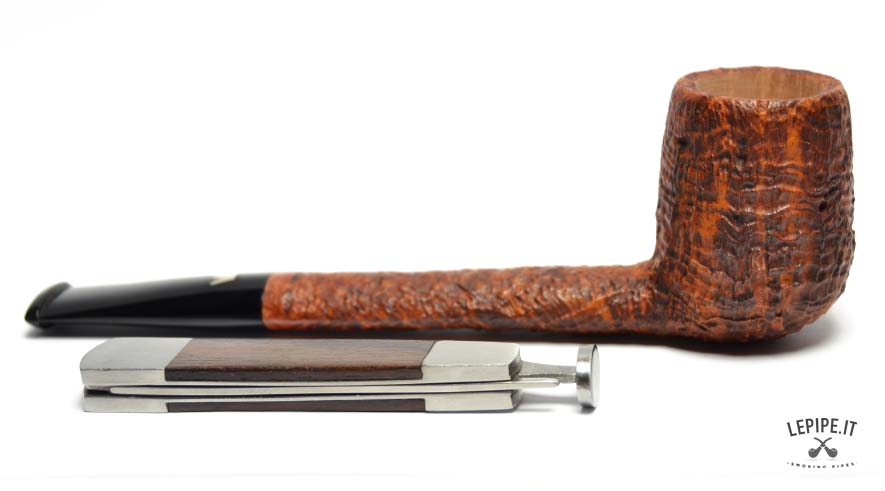
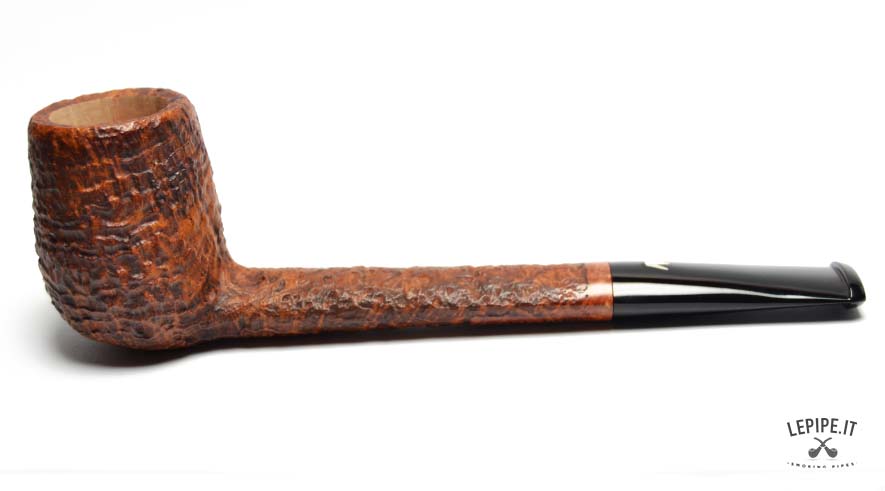
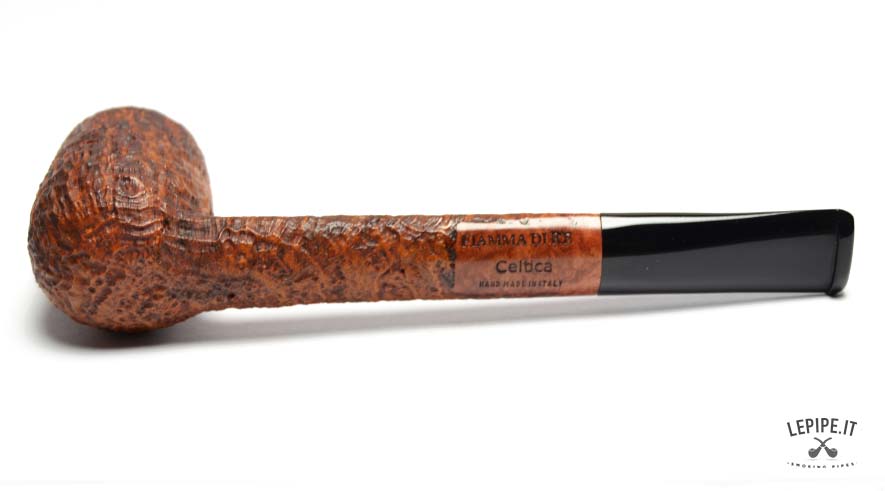
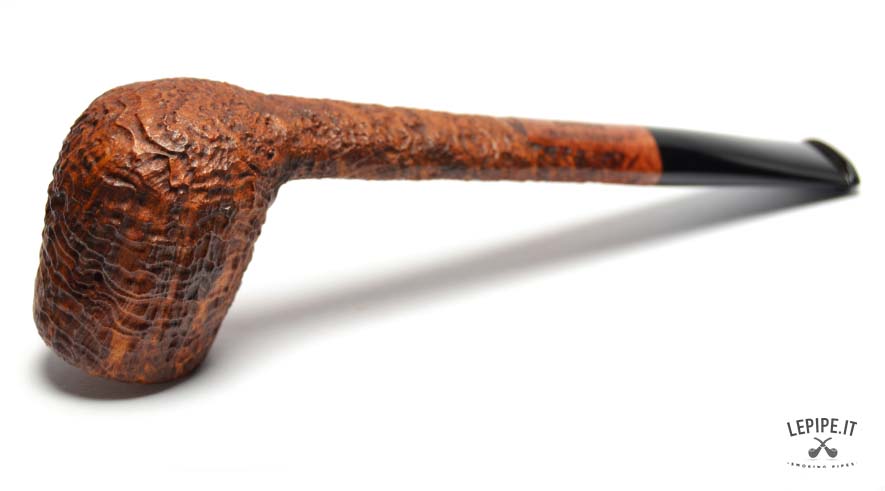
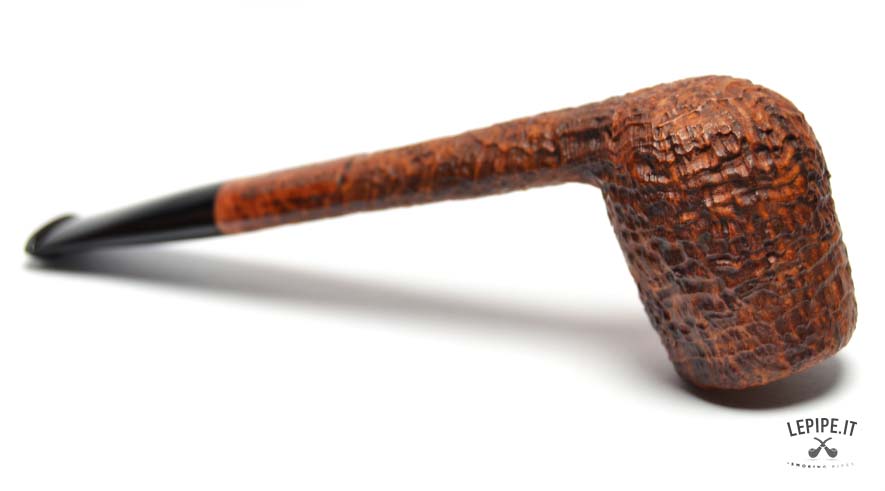
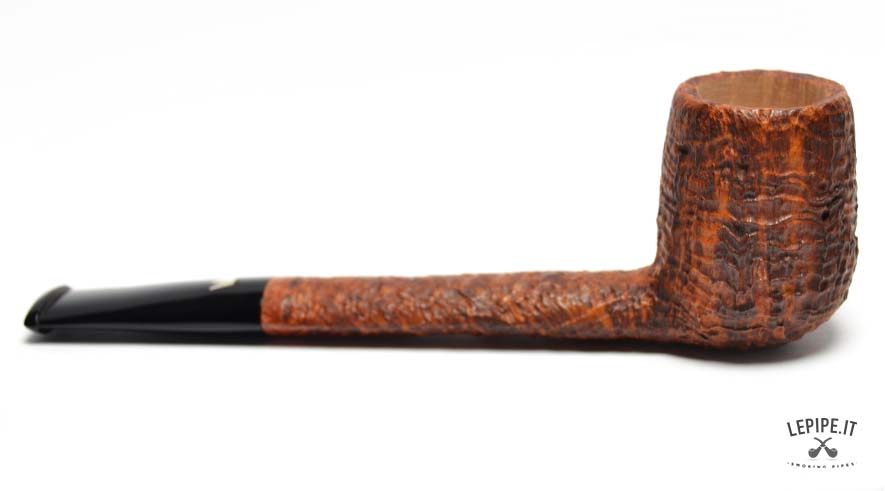
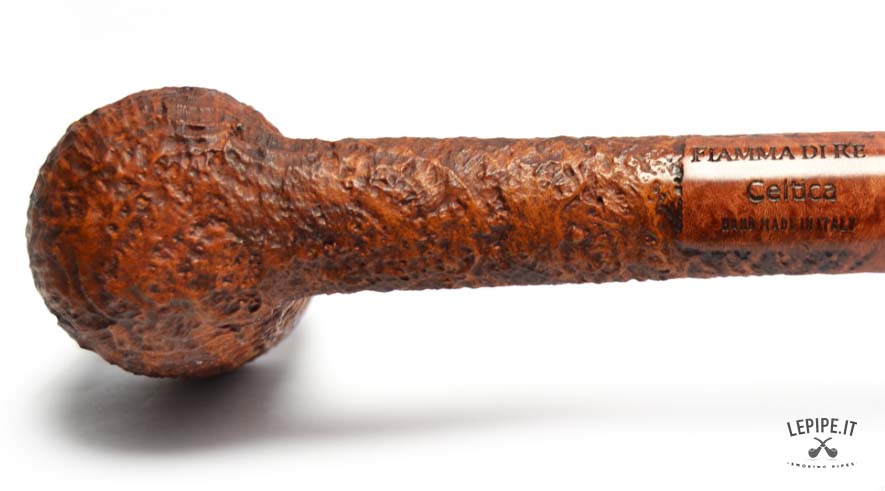
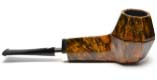
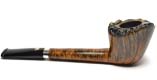
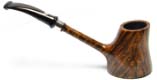
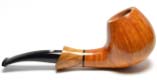
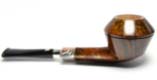
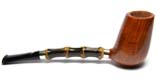
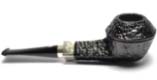
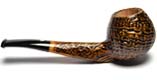
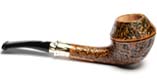
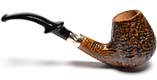
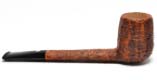
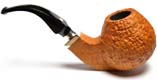
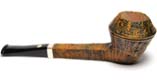
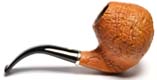
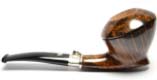
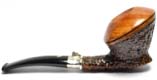
This Fiamma di Re Celtica interprets the classic Canadian shape through Andrea Pascucci's distinctive approach, combining elongated proportions, a richly textured briar surface and a restrained, almost austere character. The tall, gently tapered bowl flows into a long, straight shank, one of the defining features of the Canadian shape, creating an elegant and beautifully balanced silhouette.
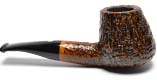
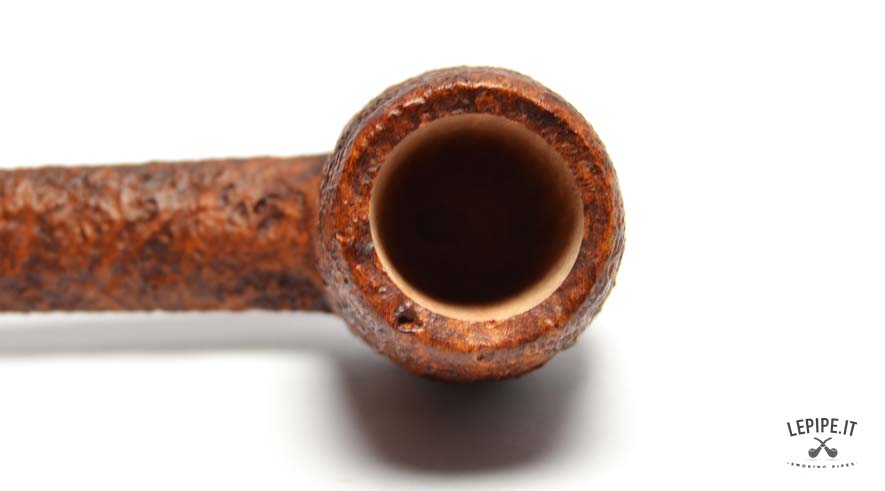
The briar is entirely sandblasted, revealing a remarkably lively texture. Across the bowl, the grain emerges in successive rings and undulating patterns, while along the shank the blast becomes finer and more irregular. Its warm brown and tobacco tones, enriched by lighter highlights, allow the depth and structure of the sandblast to remain clearly visible without relying on excessive colour contrast.
The pipe belongs to Fiamma di Re's Celtica group, a designation particularly well suited to the deliberately essential and strongly tactile character of this piece. Here Pascucci dispenses with decorative embellishments and allows the shape, the briar and its worked surface to command attention, creating a natural and understated aesthetic with a personality of its own.
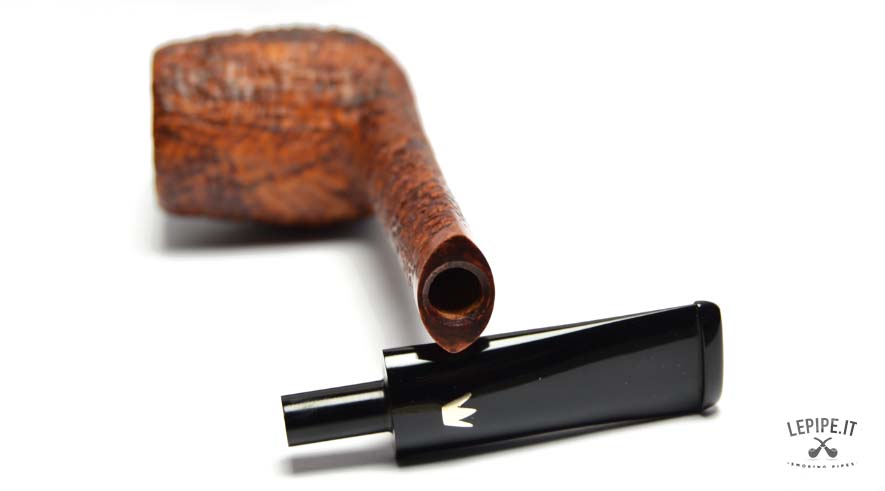
The Canadian shape is emphasized by the long horizontal development of the shank, which continues almost seamlessly towards the short, tapered black mouthpiece. The contrast between the textured sandblasted briar and the perfectly polished mouthpiece further highlights the transition from the organic character of the wood to the precise geometry of its final section.
This pipe is also a Stand-Up, with the base of the bowl shaped to allow it to stand independently on a flat surface. It is a practical feature which, on such a long and linear Canadian, also provides a pleasing sense of visual stability to the overall composition.
A discreet yet distinctive Fiamma di Re in which sandblasted texture, elongated proportions and structural simplicity become the true protagonists. A Celtica Canadian for those who appreciate artisan pipes free from unnecessary ornament, allowing the briar and the hand of the maker to define their character.